 RIGGING
Every lift is engineered
before the outriggers
touch dirt.
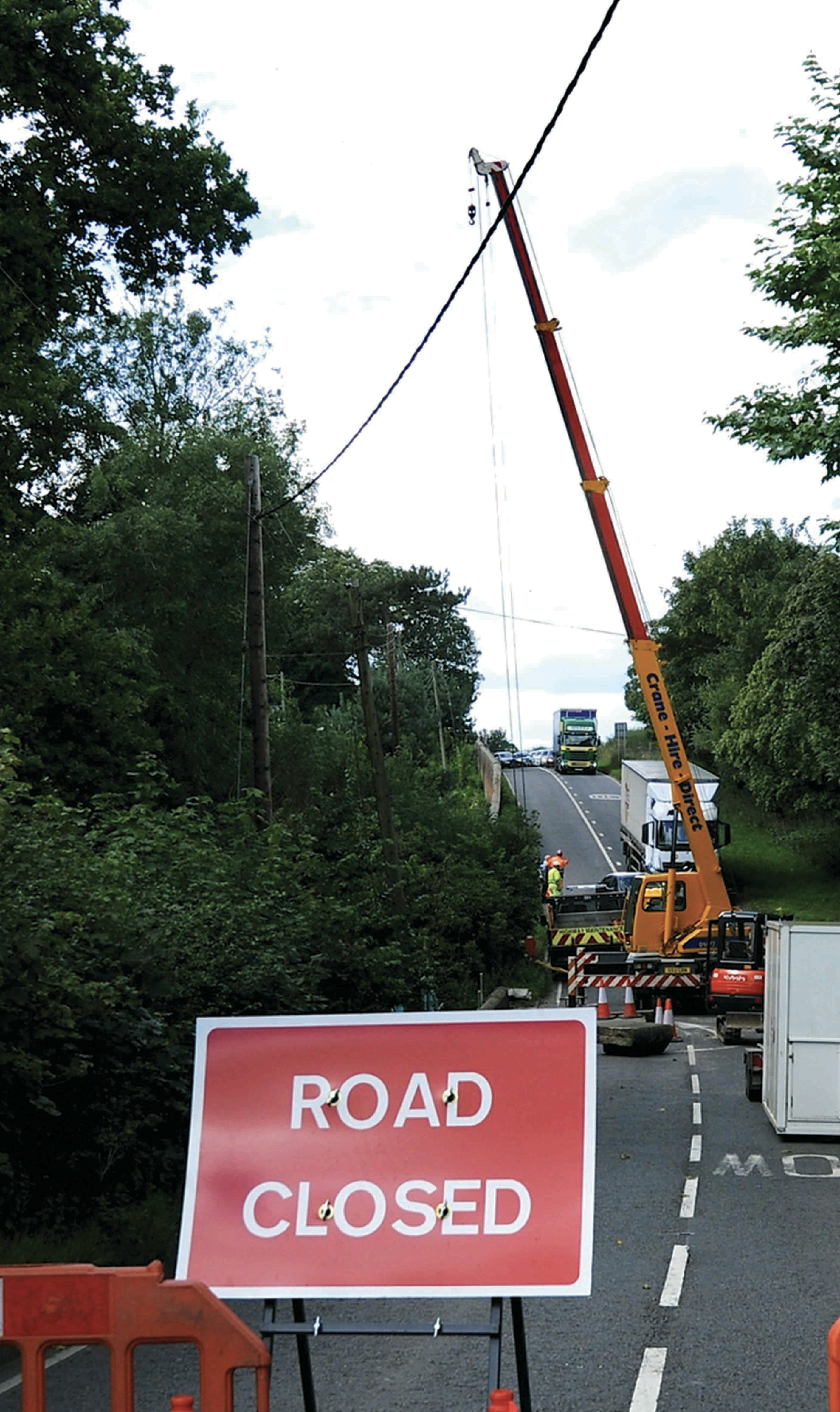
Tight residential lots. Heritage restoration lifts. Midnight hospital HVAC sets where the margin between the parapet and the power line is measured in inches.
A 12-story rooftop with no crane pad and a 3-day window.
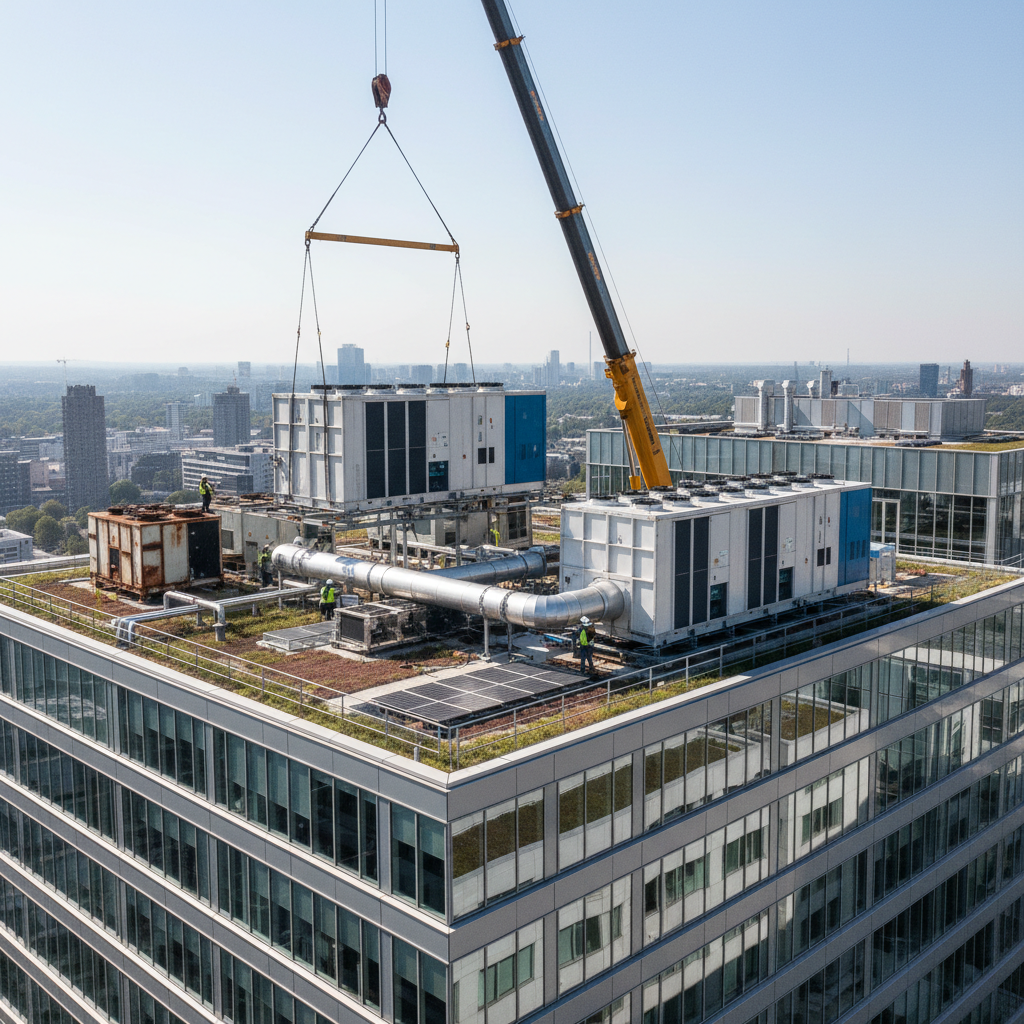
The mechanical sub needed four rooftop AHUs — each 8,400 lbs — set on a 12-story building in the River North corridor. Street frontage was 28 feet. Two lanes of Michigan Avenue traffic. The previous operator walked after the site survey.
A 200-ton hydraulic crane, a 3am street closure, and a lift plan that accounted for every inch.
We coordinated a CDOT street closure permit, set up on the sidewalk footprint using timber mats rated for the outrigger load, and executed all four picks between 2am and 6am — clear before morning commute. Zero incidents. Mechanical sub back on schedule.
Street closures require CDOT permits, traffic control plans, and a certified flagger setup. Many operators don't maintain these relationships. We do — because the job doesn't start until the street is cleared.

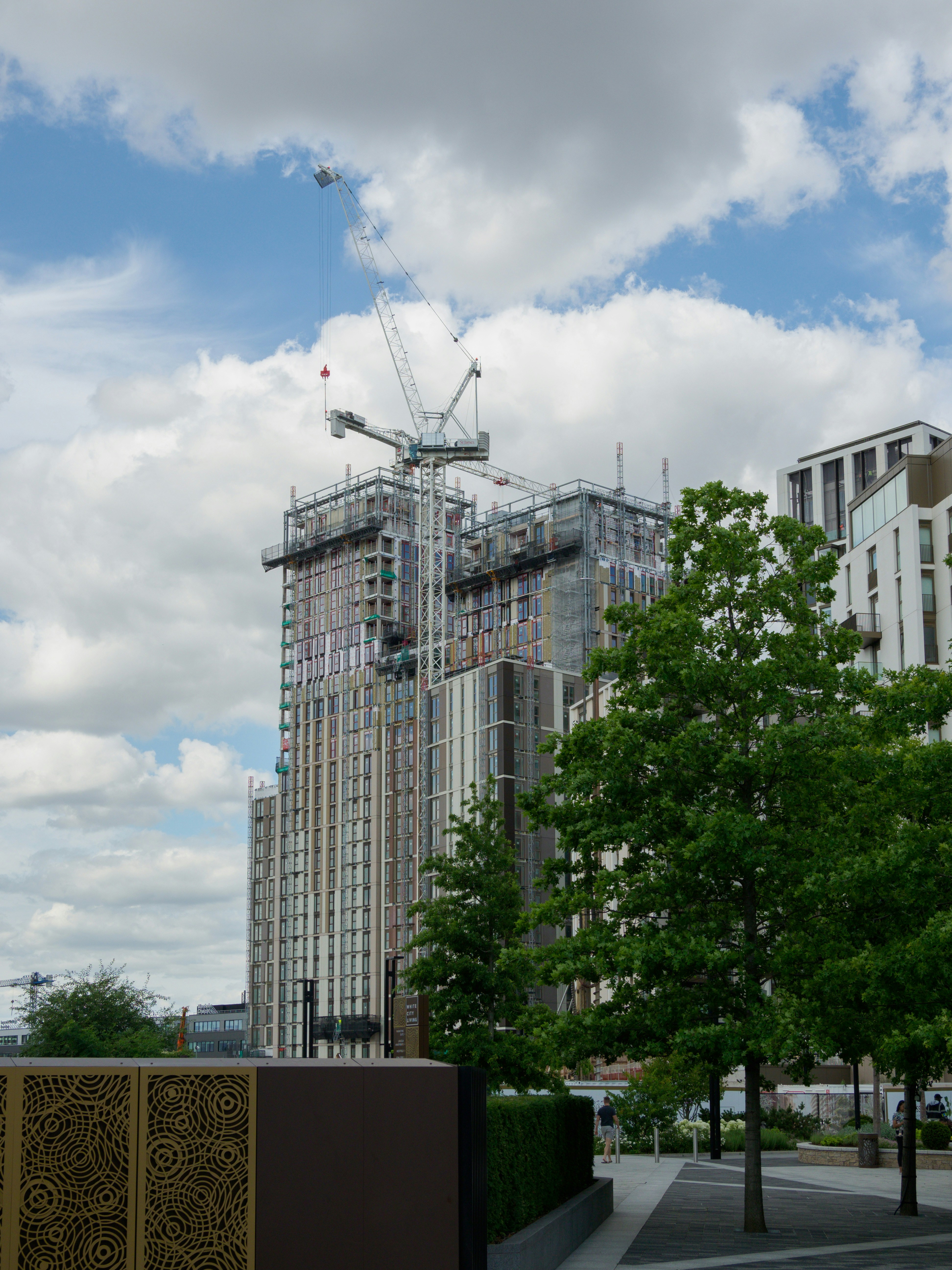
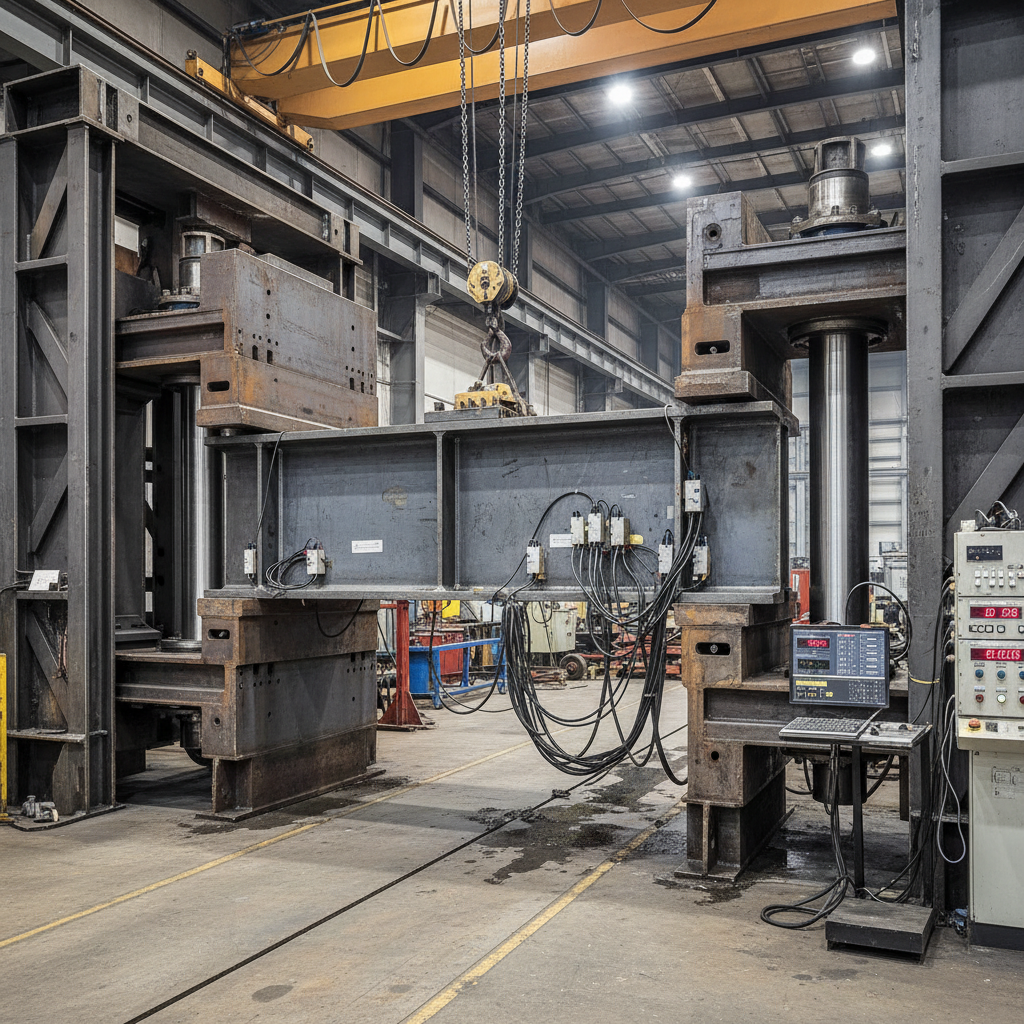
A 22-foot lot. A 40-ton steel beam. A heritage oak that couldn't be touched.
The structural engineer on a gut rehab specified a 42-ft W14×90 transfer beam through a gap between the neighbor's garage and a 140-year-old bur oak. The arborist said the root zone extended 18 feet from the trunk. The setback left us 4 feet of working clearance.
A knuckle-boom picker, a custom spreader bar, and a 6-hour lift window timed to soil conditions.
We specified a 50-ton knuckle-boom crane that could fold its boom under the oak's lower canopy, custom-fabricated a spreader bar to control the beam's swing arc, and scheduled the lift for early morning when overnight rain had firmed the adjacent soil to its peak bearing capacity. The oak lost zero branches.
A crane's outrigger pads transmit enormous point loads — a 50-ton crane can apply 180,000 lbs to a 4-square-foot pad. Saturated soil can fail silently. Timing the lift to post-rain conditions sounds counterintuitive, but overnight drainage firms clay soils to their peak bearing in the early morning.
A 190,000-lb transformer. Two cranes. Three agencies. One shot.
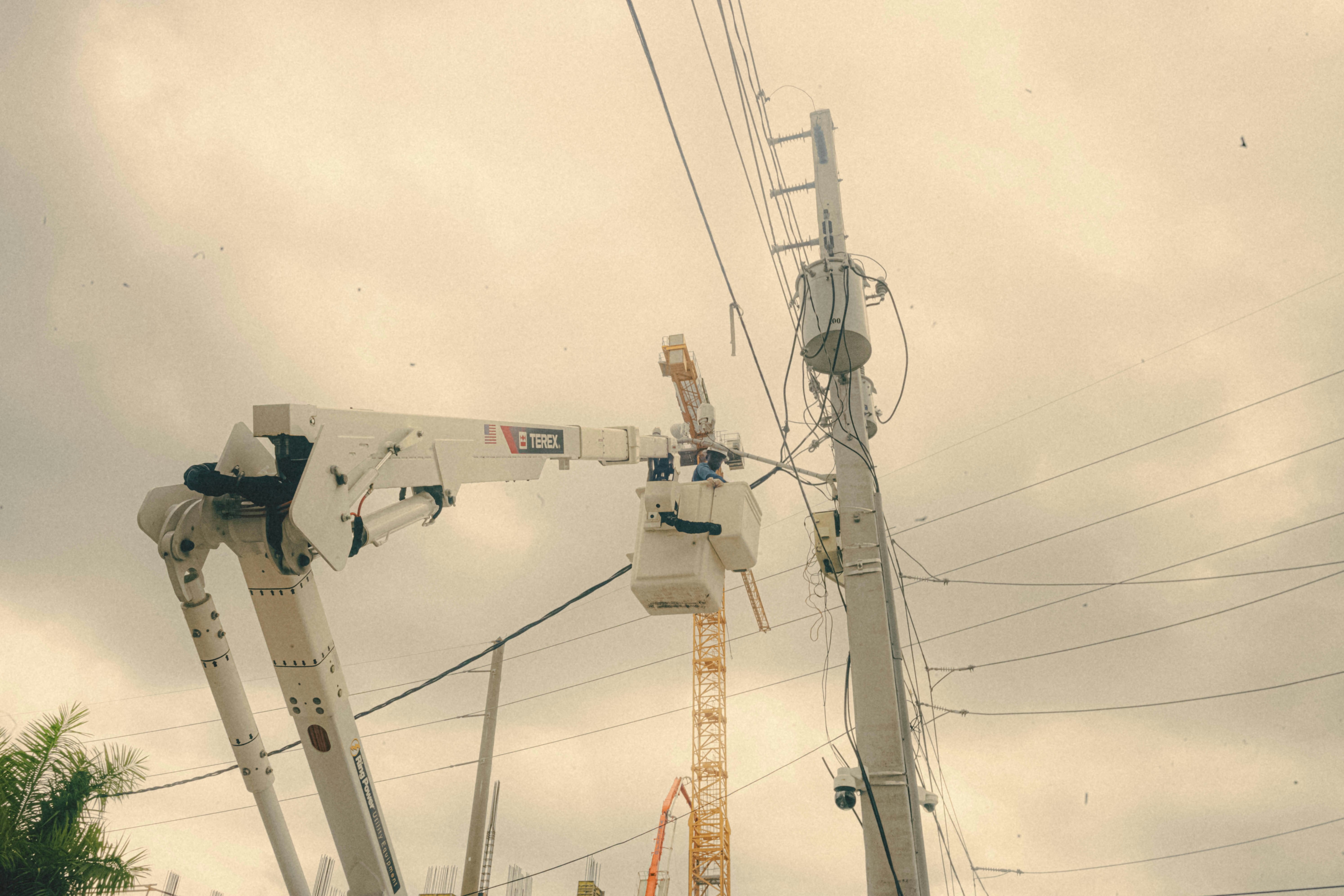
A utility substation upgrade required setting a 95-ton power transformer that had to be lifted over an active 138kV transmission line, set through a 22-foot gate opening, and lowered onto a foundation with ±1-inch tolerance. No single crane in the region had the capacity. The transformer could not be re-lifted if set incorrectly.
A synchronized tandem lift, a custom rigging frame, and 14 weeks of pre-planning.
We coordinated two 300-ton cranes in a tandem configuration, designed and fabricated a custom equalizing beam to balance the asymmetric load, and worked with WE Energies, WDOT, and the Milwaukee County Sheriff to execute a 4-hour road closure on a state highway. The transformer landed within 3/8 inch of centerline on the first attempt.
In a tandem lift, load distribution between cranes shifts dynamically as the load swings. If one crane takes more than its share of the load at any point, both cranes are at risk. The equalizing beam is what prevents this — it's not standard equipment. We fabricated ours to the specific load geometry of this transformer.
The lifts other operators
won't quote.
Specialty crane work requires more than tonnage — it requires an operator who has engineered their way through the same constraint before.
The document most
contractors never see.
A lift plan is a legal document that specifies every parameter of a crane operation before it begins. We provide a stamped plan on every job — not because we're required to, but because improvisation is how incidents happen.
Request a Lift Plan"The margin between the parapet and the power line was 14 inches. We had it measured three times before the crane left the yard."
Ground Bearing Analysis
Before any crane moves, we pull soil bearing reports or commission a geotechnical assessment. Outrigger loads are calculated against confirmed ground capacity — not estimated.
Radius & Capacity Charts
Every crane has a load chart that degrades with radius. We plot the pick point, the set point, and every intermediate position to confirm the crane stays within rated capacity throughout the swing arc.
Wind Speed Thresholds
Lifts have operational wind limits — typically 25–30 mph for standard picks, lower for large surface-area loads. Our plans specify the abort threshold and the protocol when conditions approach it.
Load Path & Exclusion Zones
The load travels a defined path. Every structure, utility line, and occupied area beneath that arc is mapped. Exclusion zones are established and communicated to site supervision before the hook is rigged.
Contingency Protocol
What happens if the load needs to be set down mid-swing, or if a tag line breaks? The plan answers these questions in advance — not in the moment when the margin is measured in inches.
Request a
Lift Plan.
Tell us what you're moving and where. We'll respond with a preliminary lift plan assessment within 2 hours — no commitment required.
28-point pre-lift checklist used on every job. Useful for GCs vetting crane operators and understanding what a thorough site survey looks like.